


For the uninitiated, OpenH264 is not a character, a surgical instrument, or a new drug trial. It’s an open-source video codec developed by Cisco Systems and released under a BSD-style license. Its mission? To encode and decode H.264/AVC video in real time—efficiently, legally, and without patent licensing headaches. And in the streaming ecosystem that delivers The Pitt to millions of devices, OpenH264 is as essential as a crash cart in a code blue. S01E02 of The Pitt is a visual stress test. After the explosive opening of the season, this episode plunges viewers into the aftermath: a packed waiting room, two simultaneous trauma activations, and a tense conversation between senior resident Dr. Robyn (played with grit by a rising star) and a dying patient’s family. The camera work is handheld, intimate, and merciless. Shadows stretch across triage bays; fluorescent lights flicker in corridors.
As streaming originals grow more cinematic—and The Pitt is as cinematic as a blood-spattered hallway can be—the infrastructure beneath them must mature. OpenH264 isn’t glamorous. It doesn’t get an Emmy. But when Dr. Robyn whispers, “Page neurosurgery, now,” and the camera holds on her trembling hand, the reason you feel that moment rather than watch it stutter is, in part, a quiet, open-source codec working triple overtime. the pitt s01e02 openh264
In S01E02, there’s a quiet moment where a resident pulls up a CT scan on a tablet, sharing it with a medical student. That image is compressed and transmitted using—potentially—OpenH264. The codec doesn’t save lives on screen, but it does ensure that the depiction of life-saving data arrives intact. No viewer finishes The Pitt S01E02 and thinks, “That OpenH264 really nailed the keyframe interval.” But that’s the point. The best codecs are invisible. They handle the messy, real-world chaos of varying bandwidth, device diversity, and legal constraints so that creators can focus on storytelling. For the uninitiated, OpenH264 is not a character,
In the hyperreal world of The Pitt —Max’s gritty medical drama set in a Pittsburgh trauma unit—every second counts. Episode 2 of Season 1, titled Triage Aftermath , opens with a flurry of beeping monitors, hushed consults, and the slick sound of latex gloves snapping. But before that tension reaches your screen, a silent, invisible actor has already done its job: OpenH264 . To encode and decode H
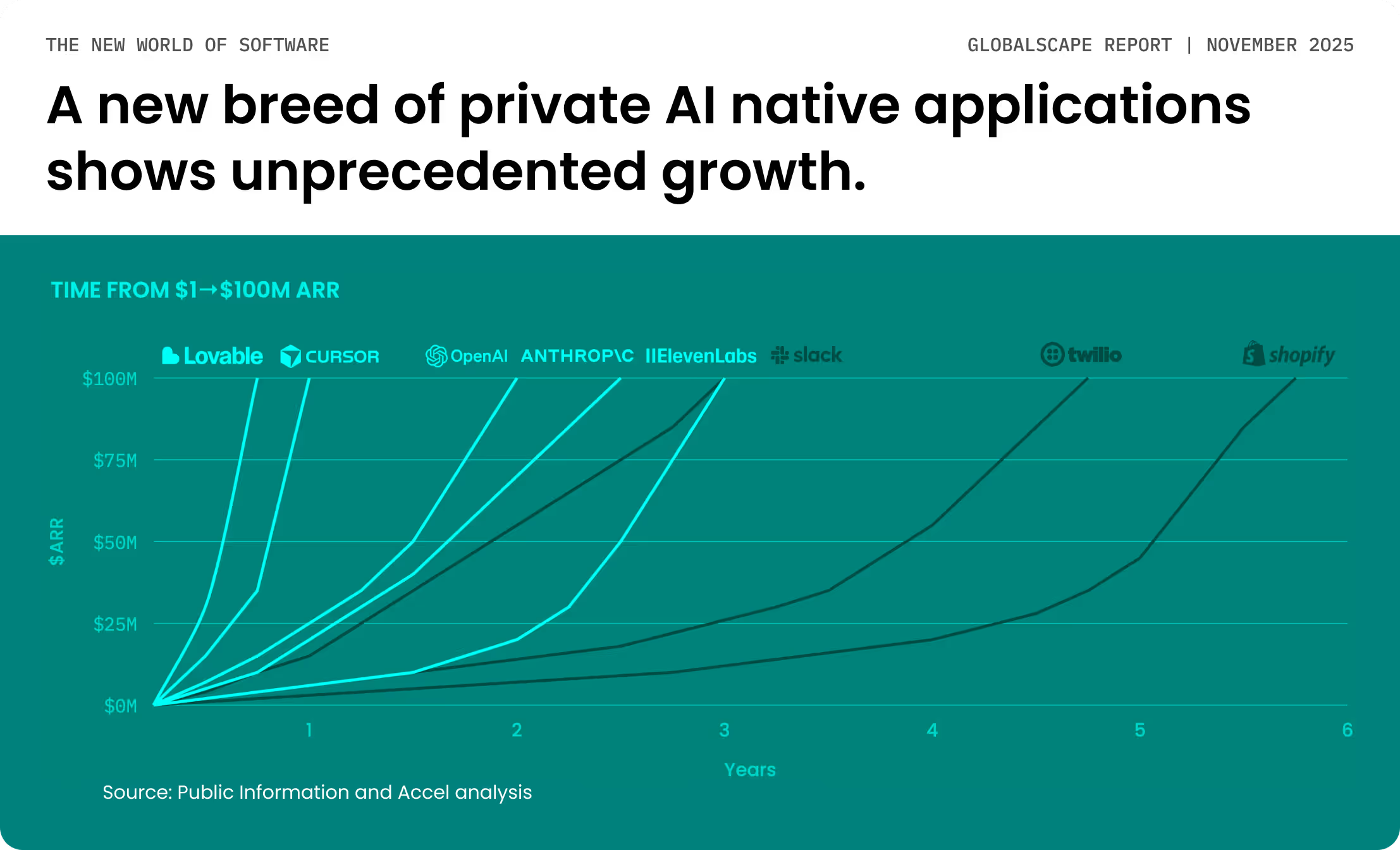
We are witnessing a tectonic shift, with AI accelerating innovation across the globe and unprecedented growth in AI native applications and enterprise agentic workflows. This shift will require an estimated $4 trillion investment in computing data centers over the next five years.

Report
Report
Report
Report
Report
Report
Report
Report