 Home
Home睿能全成型
全成型无缝针织由一根或数跟纱线,用针织横机一次性编织出整件毛衫产品,整体线条优美、流畅,上身更柔软、舒适、轻盈
 400-0898-188
 Subsidiary Of The Group
For the dedicated drama enthusiast, understanding what a WEB-DL is can mean the difference between watching a show in pristine broadcast quality versus a compressed, artifact-riddled shadow of its original form. WEB-DL stands for Web Download . It refers to a video file that has been extracted directly from the source code of a streaming service (like Netflix, Viki, Disney+, or Hulu) without re-encoding.
In the digital age, the way audiences consume television dramas—from Korean K-dramas on Netflix to British crime series on BBC iPlayer—has shifted almost entirely to streaming. Within the ecosystem of file sharing and digital archiving, no term is more ubiquitous yet misunderstood than WEB-DL (often mistakenly called WEBRip).
When WEB-DLs are unavailable, groups revert to WEBRips. This is why you sometimes see a drama released as a "WEBRip" initially, only to be replaced a month later by a "REPACK WEB-DL" once a new decrypting method is found. For the purist, the WEB-DL is the holy grail of streaming era drama collection. It represents a perfect, untouched digital copy of the director's intended stream. It sits above the TV broadcast (which may have network watermarks) and far above the WEBRip (which loses fidelity).
However, the average viewer watching on a smartphone likely cannot tell the difference between a high-bitrate WEBRip and a WEB-DL. The distinction matters most to home theater enthusiasts with large 4K screens, sound systems, and a desire to archive their favorite dramas for posterity—legally or otherwise.
If you can stream it legally, do so. If you need to archive it for offline viewing in pristine quality, the WEB-DL is the definitive standard. Just know the technical difference, so you don't pay for a "high quality rip" that is actually a low-bitrate re-encode.


Integrating process design, image processing, pattern design with various modules, this product can improve working efficiency from customer order to data generation and offer advanced drawing software for the textile industry.
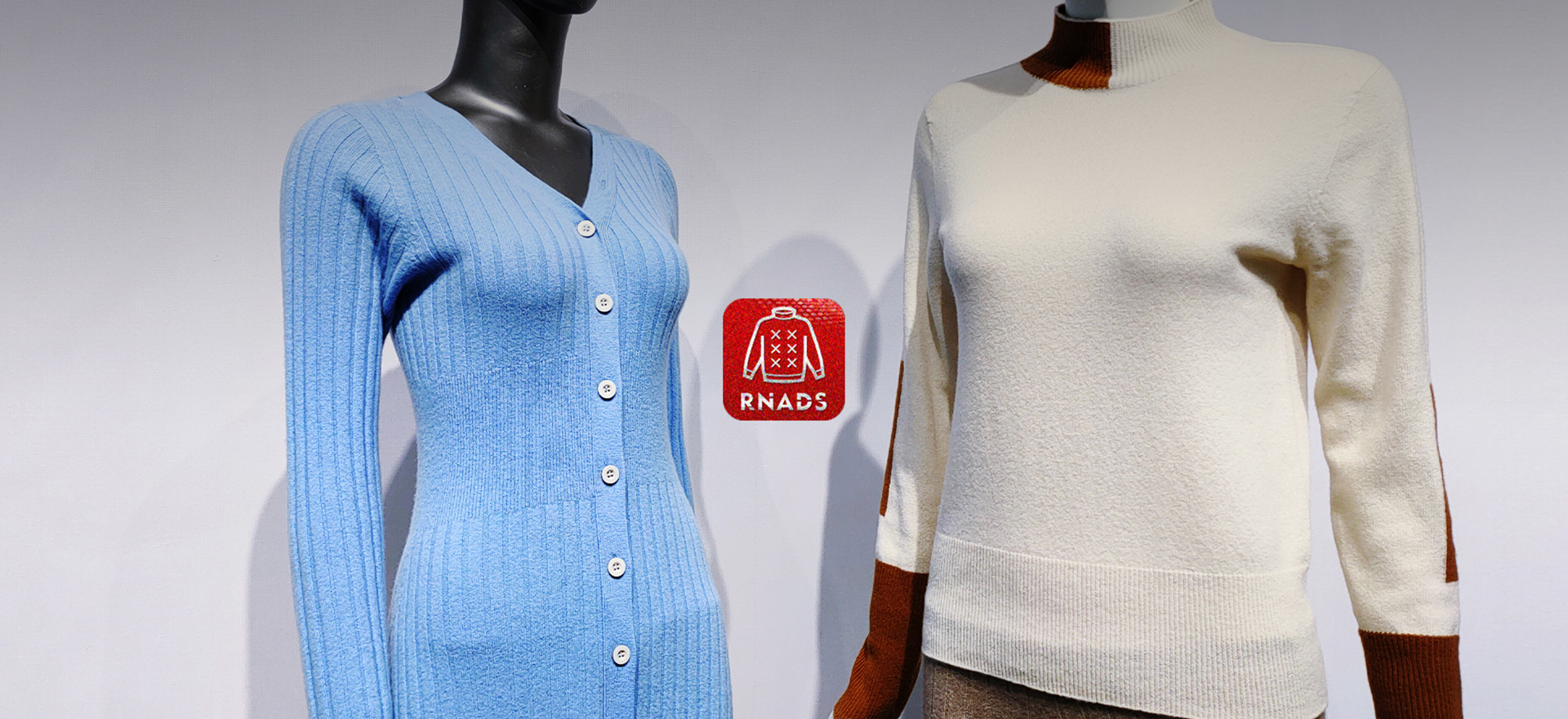
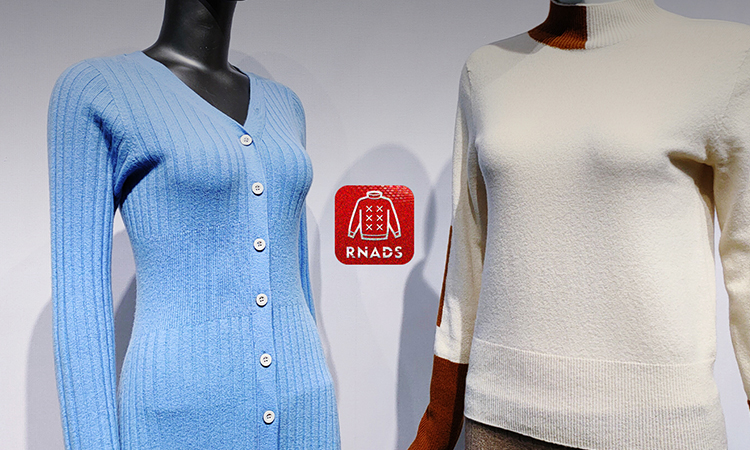
全成型无缝针织由一根或数跟纱线,用针织横机一次性编织出整件毛衫产品,整体线条优美、流畅,上身更柔软、舒适、轻盈
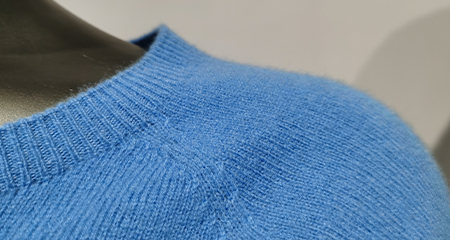
raglan sleeve
Polo.

The system supports a great variety of styles and keeps pace with the fashion trend of whole garment knitting.
The system provides a variety of modules and reduces the threshold of whole garment plate making.
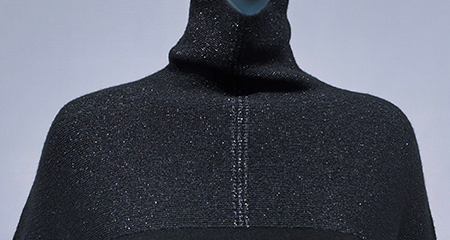
The system offers plate making of double-needle-bed and four-needle-bed machines for richer whole garment patterns.
The system supports plate making for a number of models (such as auto run and rake) to help user make more whole garment patterns.
If no model is available, the user can create their own model in the system.


系统支持多种花型文件转换,直接上机
For the dedicated drama enthusiast, understanding what a WEB-DL is can mean the difference between watching a show in pristine broadcast quality versus a compressed, artifact-riddled shadow of its original form. WEB-DL stands for Web Download . It refers to a video file that has been extracted directly from the source code of a streaming service (like Netflix, Viki, Disney+, or Hulu) without re-encoding.
In the digital age, the way audiences consume television dramas—from Korean K-dramas on Netflix to British crime series on BBC iPlayer—has shifted almost entirely to streaming. Within the ecosystem of file sharing and digital archiving, no term is more ubiquitous yet misunderstood than WEB-DL (often mistakenly called WEBRip).
When WEB-DLs are unavailable, groups revert to WEBRips. This is why you sometimes see a drama released as a "WEBRip" initially, only to be replaced a month later by a "REPACK WEB-DL" once a new decrypting method is found. For the purist, the WEB-DL is the holy grail of streaming era drama collection. It represents a perfect, untouched digital copy of the director's intended stream. It sits above the TV broadcast (which may have network watermarks) and far above the WEBRip (which loses fidelity).
However, the average viewer watching on a smartphone likely cannot tell the difference between a high-bitrate WEBRip and a WEB-DL. The distinction matters most to home theater enthusiasts with large 4K screens, sound systems, and a desire to archive their favorite dramas for posterity—legally or otherwise.
If you can stream it legally, do so. If you need to archive it for offline viewing in pristine quality, the WEB-DL is the definitive standard. Just know the technical difference, so you don't pay for a "high quality rip" that is actually a low-bitrate re-encode.
 400-0898-188

Raynen

Raynen Intelligence Control


