
Yet, resistance is futile in competitive markets. Businesses that cling to the static menu are being relegated to commodity status. Your local barber still uses a menu; you pay $25 regardless of the barber’s idle time or your urgency. Conversely, a quant-driven app like a rideshare service optimizes for both driver utilization and rider wait times. The result is that quant businesses scale efficiently, while menu businesses struggle with deadweight loss (empty seats, idle machines).
First, allows firms to move from broad categories to micro-segments. A hotel menu offers a “standard room” for $200. A quant system sells that same room for $150 to a loyalty member, $250 to a business traveler booking last minute, and $90 via a mobile app flash sale. This price discrimination, impossible with a printed menu, maximizes revenue by capturing consumer surplus.
In conclusion, the shift from menu to quant represents the final stage of market digitization. The menu was a tool for an era of scarce information and stable demand. The quant is the tool for an era of big data and real-time supply chains. While society must regulate the excesses of algorithmic pricing—ensuring fairness and preventing discrimination—the economic argument is settled. The quant doesn’t just beat the menu on efficiency; it renders the very concept of a fixed, published price obsolete. In the future, you won’t look at a menu to see what something costs. An algorithm will simply tell you what you will pay.
The traditional menu operates on a flawed assumption: that all customers value a product equally at a given moment. A diner at 2:00 PM values a cup of coffee differently than a freezing commuter at 7:00 AM, yet the menu charges them the same. The quant approach corrects this through dynamic pricing . Companies like Uber and Amazon don’t use menus; they use algorithms that process thousands of data points (demand, supply, time, location, user history) to adjust prices in real-time. This is not merely a technical upgrade; it is a philosophical one. The menu asks, “What is the fair price?” The quant asks, “What is the price at which this specific user will transact right now ?”





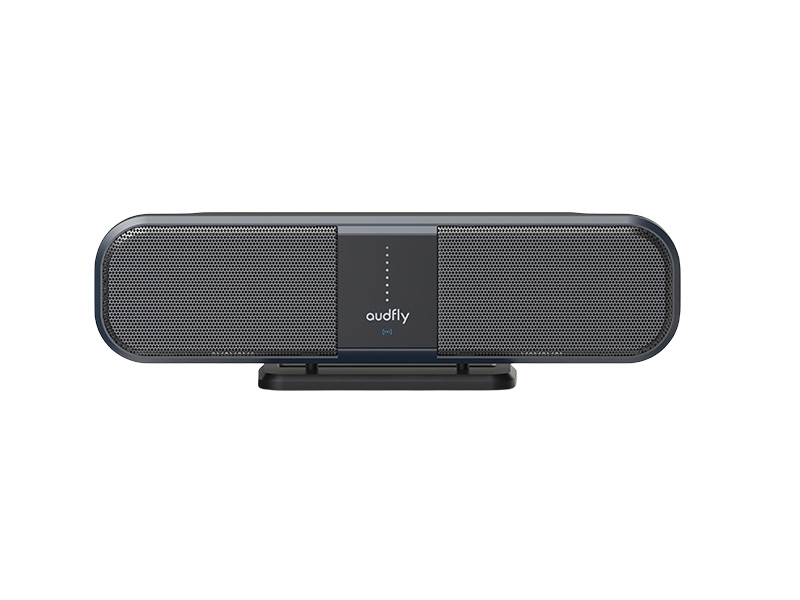
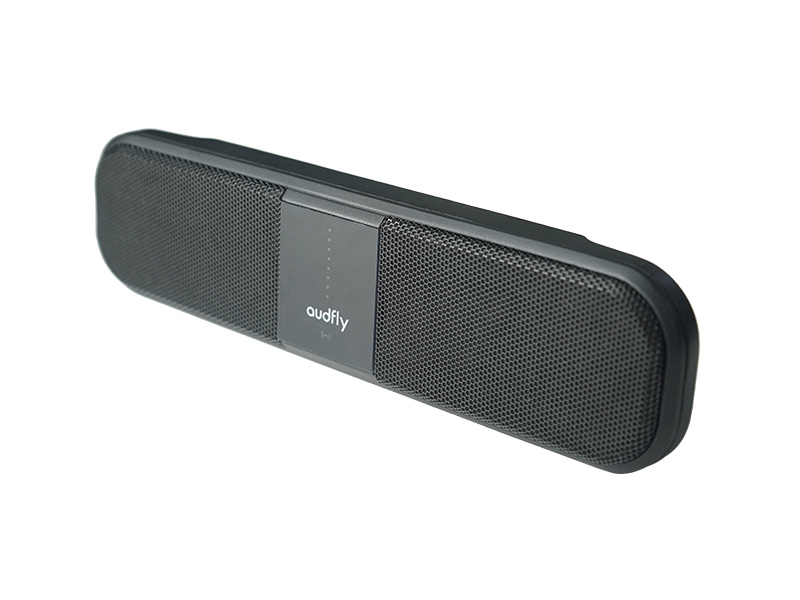
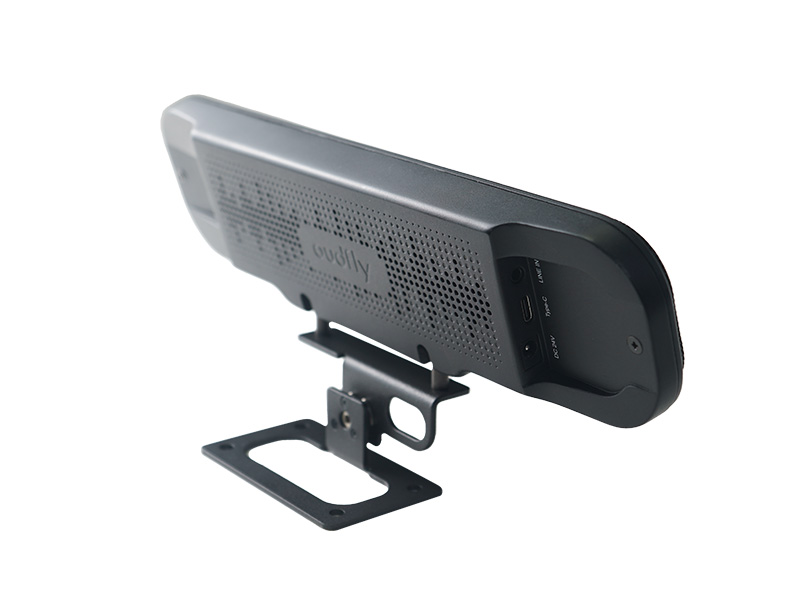
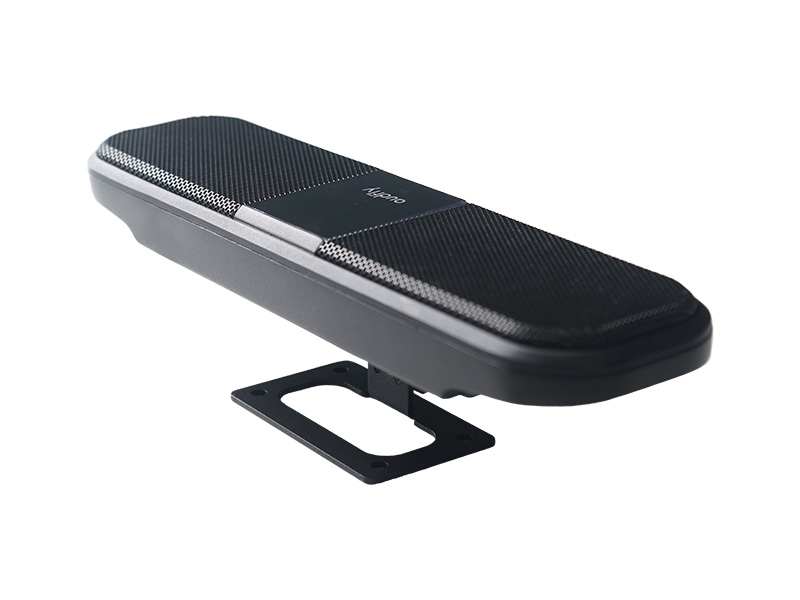
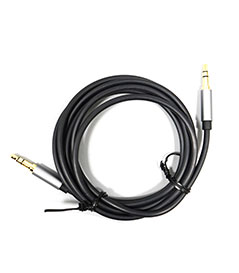
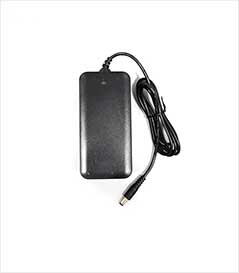
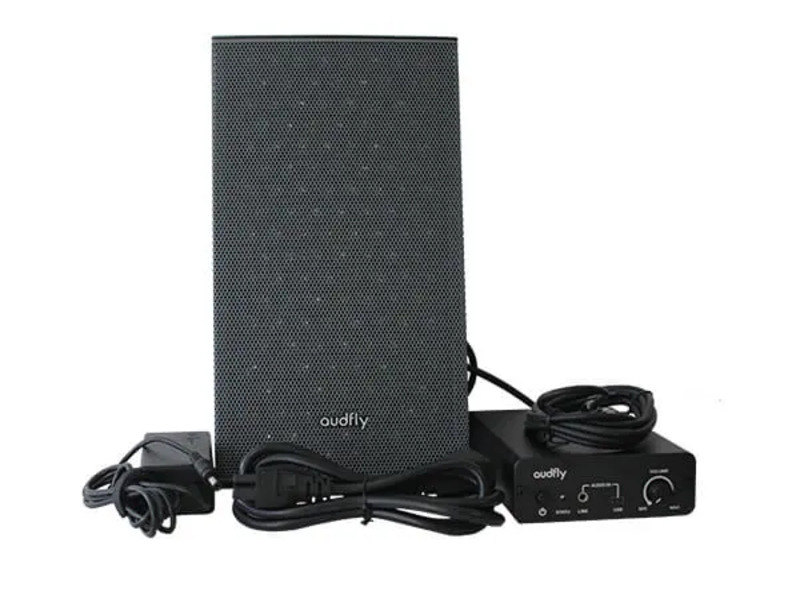
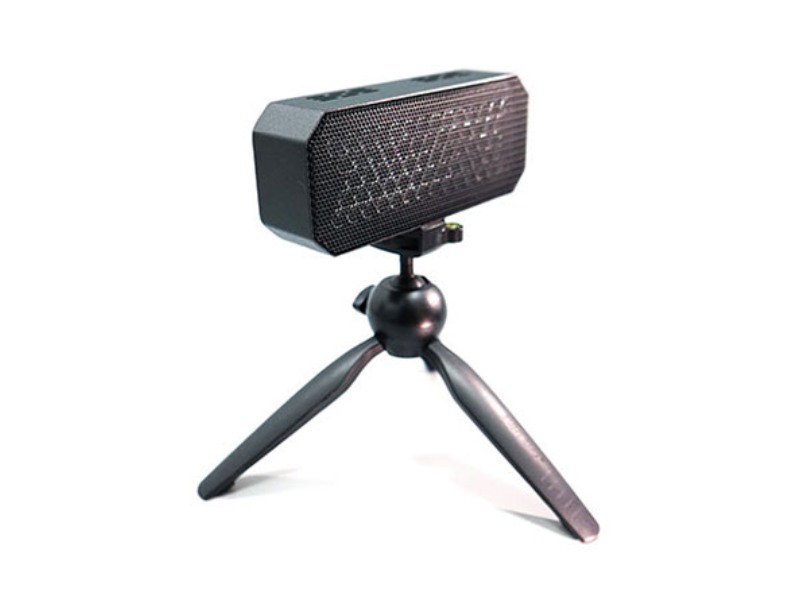
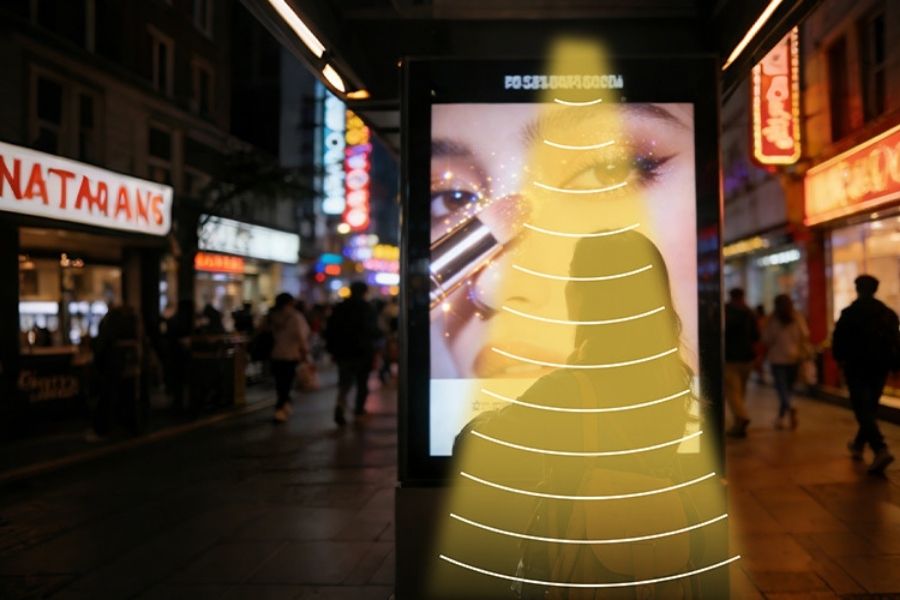
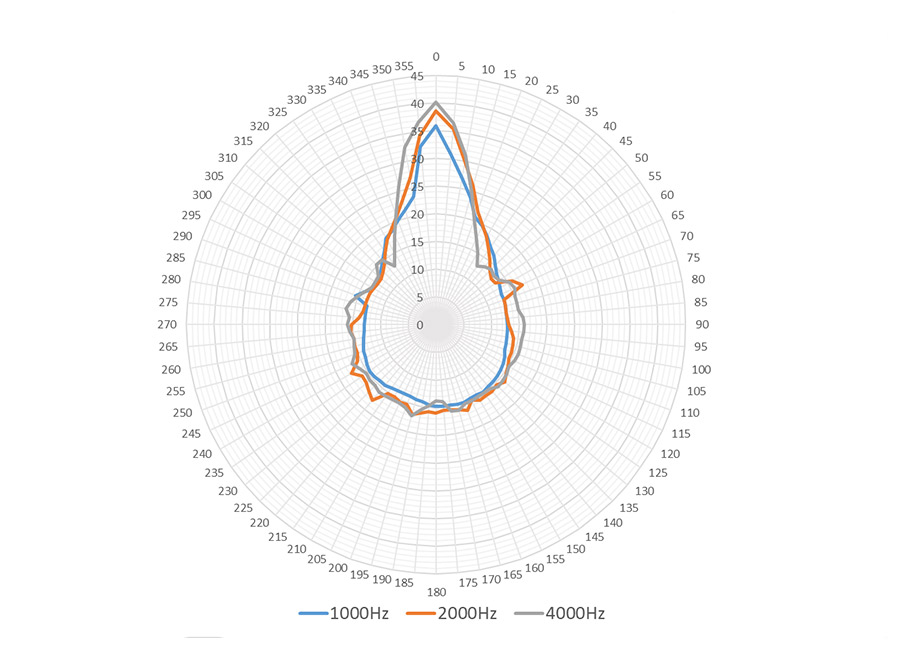
Audfly Directional Speaker X2 leverages exclusive patented directional sound technology to deliver sound as precisely as a beam of light, ensuring that audio is transmitted clearly to the intended area without causing disturbances to the surrounding environment. Designed specifically for commercial applications, the X2 is an ideal solution for small exhibitions and quiet indoor spaces where sound zoning is essential. Its ability to provide focused audio without spilling into other areas makes it perfect for creating immersive experiences in business settings, catering to environments that demand clear and unobtrusive sound delivery.
Yet, resistance is futile in competitive markets. Businesses that cling to the static menu are being relegated to commodity status. Your local barber still uses a menu; you pay $25 regardless of the barber’s idle time or your urgency. Conversely, a quant-driven app like a rideshare service optimizes for both driver utilization and rider wait times. The result is that quant businesses scale efficiently, while menu businesses struggle with deadweight loss (empty seats, idle machines). quant v menu
First, allows firms to move from broad categories to micro-segments. A hotel menu offers a “standard room” for $200. A quant system sells that same room for $150 to a loyalty member, $250 to a business traveler booking last minute, and $90 via a mobile app flash sale. This price discrimination, impossible with a printed menu, maximizes revenue by capturing consumer surplus. Yet, resistance is futile in competitive markets
In conclusion, the shift from menu to quant represents the final stage of market digitization. The menu was a tool for an era of scarce information and stable demand. The quant is the tool for an era of big data and real-time supply chains. While society must regulate the excesses of algorithmic pricing—ensuring fairness and preventing discrimination—the economic argument is settled. The quant doesn’t just beat the menu on efficiency; it renders the very concept of a fixed, published price obsolete. In the future, you won’t look at a menu to see what something costs. An algorithm will simply tell you what you will pay. Conversely, a quant-driven app like a rideshare service
The traditional menu operates on a flawed assumption: that all customers value a product equally at a given moment. A diner at 2:00 PM values a cup of coffee differently than a freezing commuter at 7:00 AM, yet the menu charges them the same. The quant approach corrects this through dynamic pricing . Companies like Uber and Amazon don’t use menus; they use algorithms that process thousands of data points (demand, supply, time, location, user history) to adjust prices in real-time. This is not merely a technical upgrade; it is a philosophical one. The menu asks, “What is the fair price?” The quant asks, “What is the price at which this specific user will transact right now ?”
Super Directional Transmission: Create focused audio zones in certain area without disturbing anyone around you.
Applicable to Multiple Scenarios: The Model X2 caters to personal and commercial needs. It enhances audio experiences for individuals with hearing challenges, and excels in small exhibitions and quiet interior spaces where sound zoning is needed.
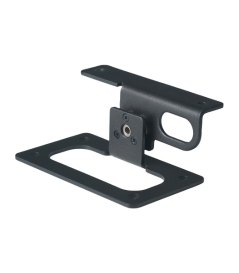
Flexible Install Type: Supports various installation options, including wall mounting, bracket mounting, ceiling suspension, and desktop placement, allowing customers to choose the most suitable installation method based on their needs.