VSDX to OBJHow to UseTool OptionsFile InformationFAQOther VSDX ToolsLatest News
to

Windows _verified_ | How To Cascade

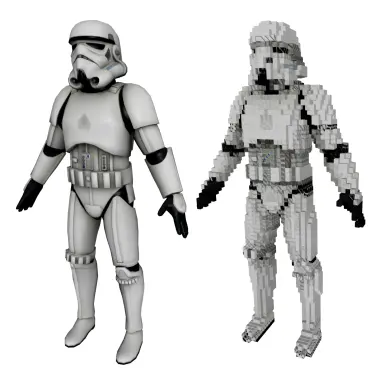
Use our free and fast online tool to convert your VSDX (Microsoft Visio) image or logo into 3D OBJ (Wavefront) mesh/model files suitable for printing with a 3D printer or for loading into your favorite 3D editing package.

How to Convert your VSDX to OBJ Online?

Here are three simple steps to create an OBJ file from a VSDX file.

Upload a VSDX

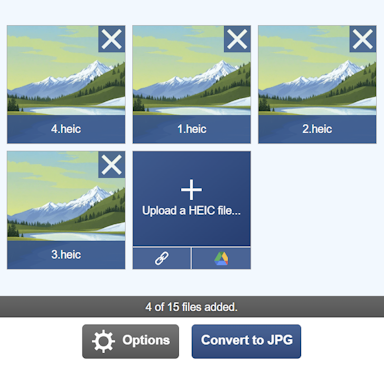
Click the "Upload a File" button and select VSDX to upload. The maximum file size is 100MB.

Select your Options

Set the dimensions and other options, and click the "Convert to OBJ" button to convert your VSDX to OBJ.

Download your OBJ File

Click the download link once completed to receive your OBJ file.

Open a few folders, a browser, and a text editor – then right-click your taskbar and click “Cascade windows.” Undo it. You’ll remember the trick forever.

For daily window management, you’ll likely rely on Snap Layouts and Alt+Tab more often. But when you need that quick diagonal overview, the taskbar is waiting.

In this guide, I’ll explain exactly what cascading does, how to do it in seconds, and when it’s genuinely useful versus when you should use a different layout. Cascading arranges all your open, non-minimized windows so they overlap in a neat diagonal stack. Each window’s title bar remains visible, and the windows are offset slightly to the right and downward. This gives you a quick visual overview of everything you’re working on.

Here’s a solid, practical article on cascading windows, written clearly for Windows users. Cascading windows is one of those classic desktop features that’s been around for decades, yet many people have never used it. If you’ve ever found yourself losing a window behind five others, or if you just want a quick way to see everything you have open at once, cascading is the answer.


File Format Information for VSDX to OBJ

ExtensionVSDX
Full NameMicrosoft Visio
TypeVector
Mime Typeapplication/octet-stream
FormatBinary
ToolsVSDX Converters, VSDX Viewer
Open WithInkscape

Description

The VSDX format is the official file format used by Microsoft Visio, an application specializing in creating floor plans, flow charts, organization charts, and other vector-based charts.

The format has been around since the early 1990s, and like other Microsoft applications, VSDX files have evolved over the years. VSDX files can be opened in Microsoft Visio, and many other vector-based programs offer support for importing VSDX files for editing. how to cascade windows

Description

The OBJ file format, originally created by Wavefront Technologies and later adopted by many other 3D software vendors, is a simple text-based file format for describing 3D models/geometry. This data can include vertices, faces, normals, texture coordinates, and references to external texture files. Open a few folders, a browser, and a

As the format is text-based, it is relatively straightforward to parse in 3D modeling applications. A downside of the text-based format is that the files can be rather large compared to similar binary formats such as STL and compressed files such as 3MF. But when you need that quick diagonal overview,

OBJ Notes

Our tool will save any material and texture files separately; these additional files will be included with your final OBJ file at the time of download.

Supported Features

  • Mesh geometry
  • Materials (Via an MTL file)
  • Textures (PNG, JPG, TGA formats)

Windows _verified_ | How To Cascade

Open a few folders, a browser, and a text editor – then right-click your taskbar and click “Cascade windows.” Undo it. You’ll remember the trick forever.

For daily window management, you’ll likely rely on Snap Layouts and Alt+Tab more often. But when you need that quick diagonal overview, the taskbar is waiting.

In this guide, I’ll explain exactly what cascading does, how to do it in seconds, and when it’s genuinely useful versus when you should use a different layout. Cascading arranges all your open, non-minimized windows so they overlap in a neat diagonal stack. Each window’s title bar remains visible, and the windows are offset slightly to the right and downward. This gives you a quick visual overview of everything you’re working on.

Here’s a solid, practical article on cascading windows, written clearly for Windows users. Cascading windows is one of those classic desktop features that’s been around for decades, yet many people have never used it. If you’ve ever found yourself losing a window behind five others, or if you just want a quick way to see everything you have open at once, cascading is the answer.

© 2026 ImageToStl. Convert your PNG and JPG Files to 3D STL files.