Ccdstack Exclusive Today

When finally arrived, it was too late. It was powerful, but it faced two impossible opponents: a free tool (DSS) and a superior one (PixInsight). The community had moved on. The unique niche CCDStack once owned was gone. Part 5: The Legacy Today, CCDStack is a ghost. The website (ccdware.com) still exists but feels like a museum. New astrophotographers often ask, "What is CCDStack?" and the veterans smile with a hint of nostalgia.

A new titan rose: . It was complex, scriptable, and offered not just calibration but world-class integration, deconvolution, and noise reduction. It had a steep learning curve, but its results were unparalleled. PixInsight's WeightedBatchPreprocessing script (WBPP) did everything CCDStack did, plus more. ccdstack

Enter , a software developer and passionate astrophotographer. He saw the problem clearly: the community needed a tool designed from the ground up for the rigorous, mathematical demands of CCD image processing. When finally arrived, it was too late

CCDStack was not a failure. It was a successful product that defined a market for over a decade. It was the quiet, competent tool that turned terrible, noisy, satellite-streaked data into a clean canvas. It was the backbone of countless award-winning astrophotos from 2005 to 2015. The unique niche CCDStack once owned was gone

During this era, if you looked at the "Processing" section of any top-tier astrophotography forum (like Cloudy Nights), you'd see the same phrase over and over: "Stacked in CCDStack, finished in Photoshop." It was the perfect bridge between raw telescope data and artistic processing. It wasn't flashy, but it was reliable . The story takes a dramatic, and for many, confusing turn. CCDStack was developed by a company called CCDWare . But a sibling software emerged: CCDSharp (for deconvolution) and then CCDInspector (for analyzing image train aberrations). The ecosystem grew.

This is the story of a piece of software that didn't seek the spotlight but became an indispensable step between raw data and a masterpiece. Before CCDStack, calibrating and stacking astronomical images was a fragmented, often frustrating process. Early adopters of CCD (Charge-Coupled Device) cameras would use one program to capture, another to apply dark frames and flat fields , a third to align (register) the images, and yet another to combine (stack) them. The process was prone to error, and most general-purpose imaging tools (like early Photoshop) lacked the 32-bit floating-point precision needed to preserve the delicate faint details.

Its decline wasn't due to a fatal flaw, but due to the natural evolution of a passionate hobby. It was out-featured and out-priced. But for those who used it, CCDStack will always be remembered as the precise, reliable, no-nonsense tool that helped them touch the stars.
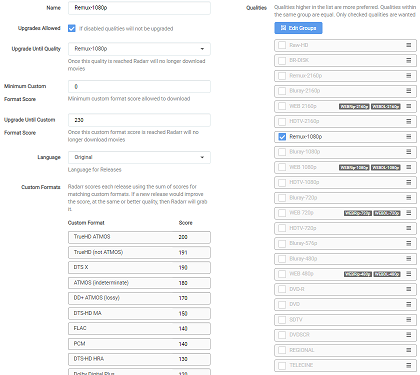
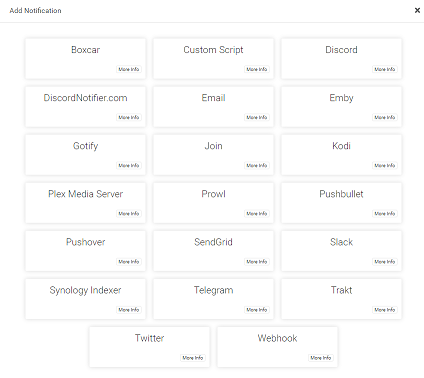
Notifications and fully customizable quality profiles.

ccdstack ccdstack
ccdstack ccdstack ccdstack

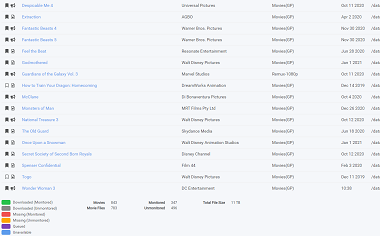
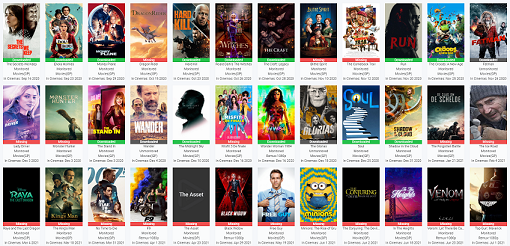
Multiple Movie views.

ccdstack

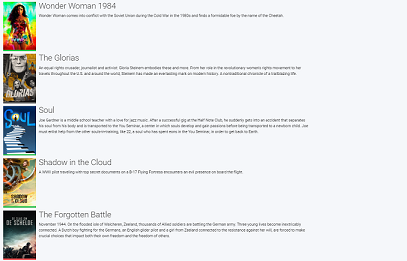
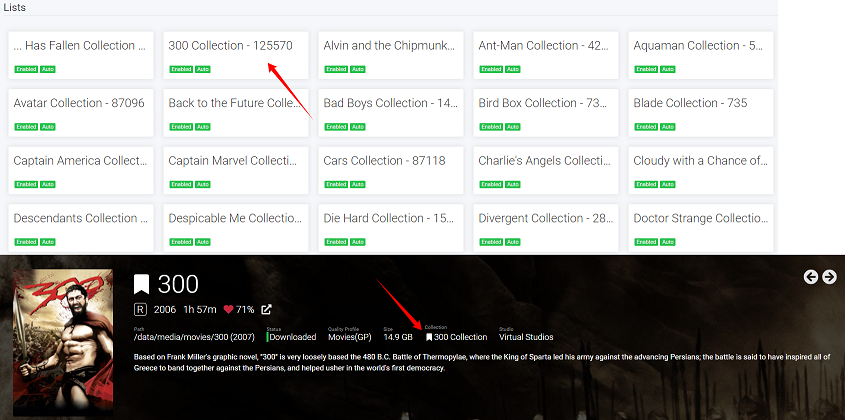
Follow your favorite collections, actors, directors

ccdstack ccdstack

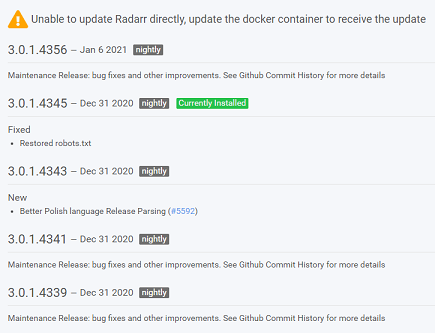
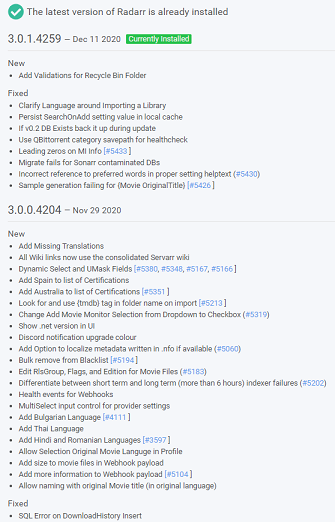
Frequent updates. See what's new without leaving the comfort of the app.

Features

ccdstack

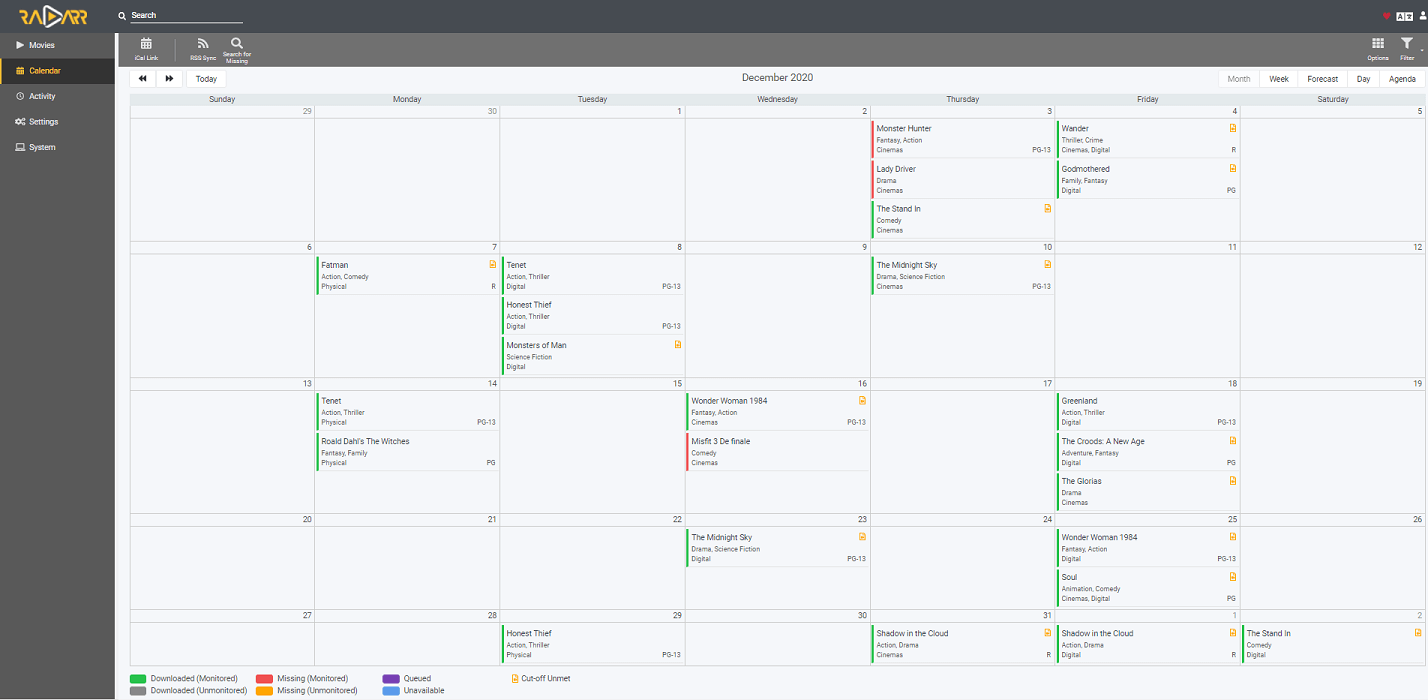
Calendar

See all your upcoming movies in one convenient location.

ccdstack

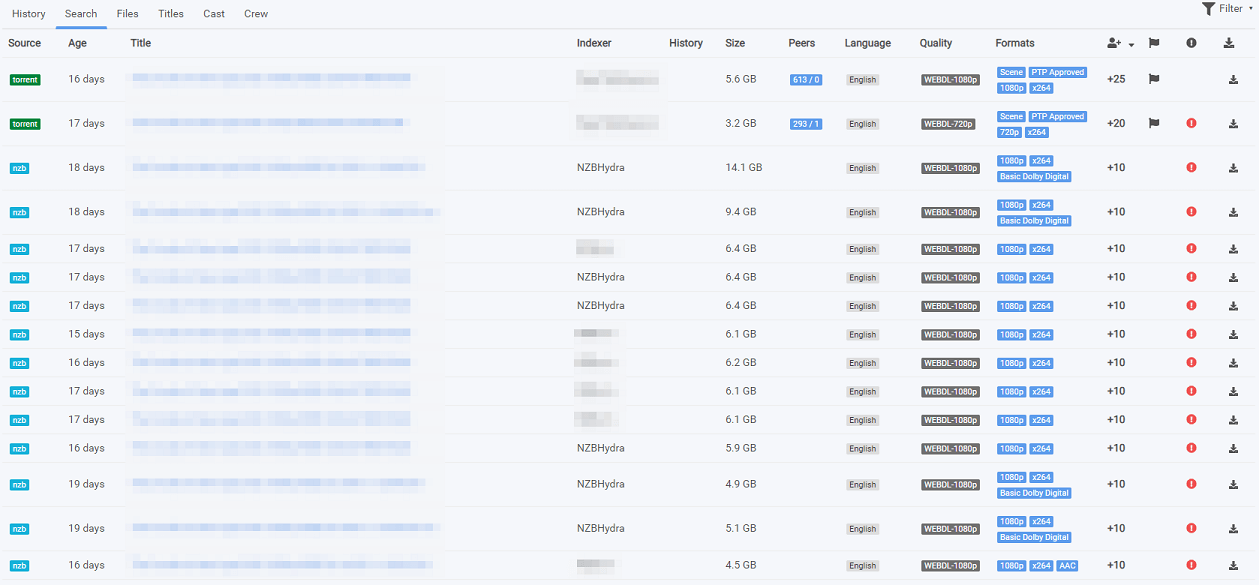
Manual Search

Find all the releases, choose the one you want and send it right to your download client.

ccdstack

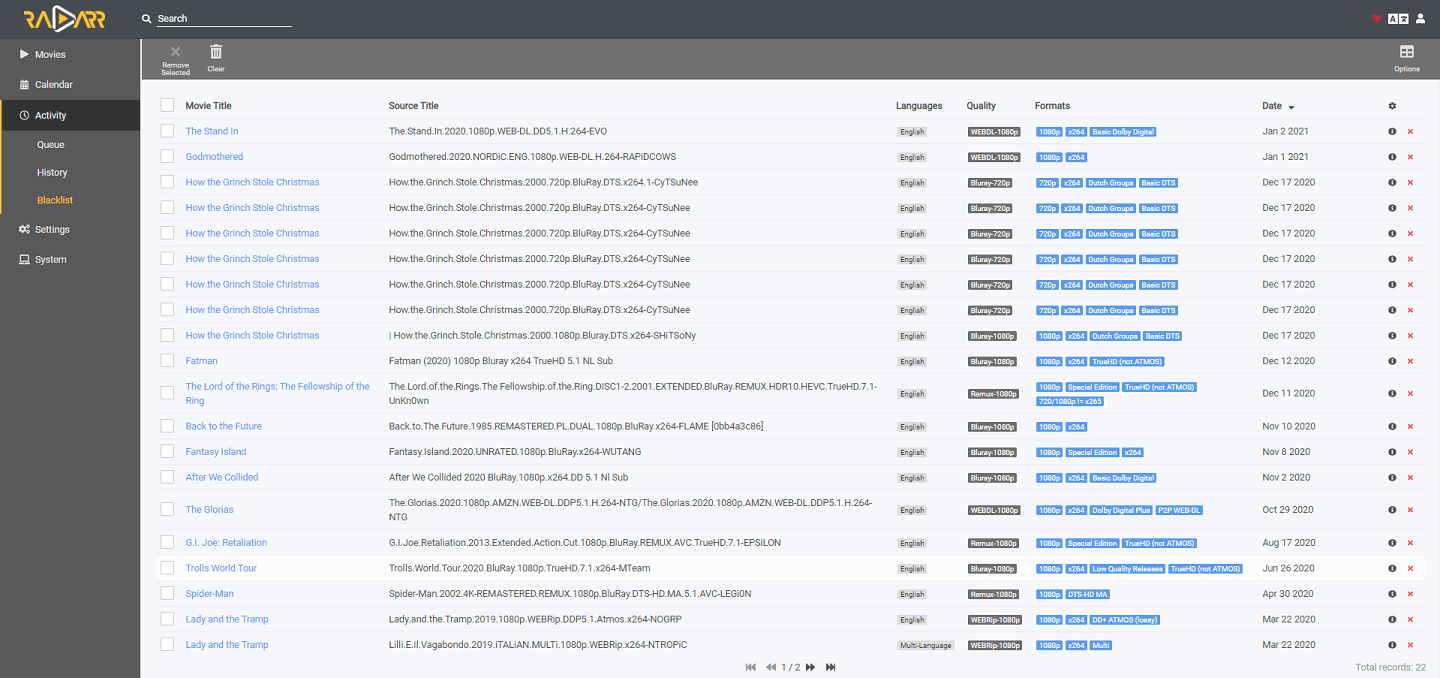
Automatic Failed Download Handling

Radarr makes failed downloads a thing of the past. Password protected releases, missing repair blocks or virtually any other reason? no worries. Radarr will automatically blacklist the release and tries another one until it finds one that works.

ccdstack

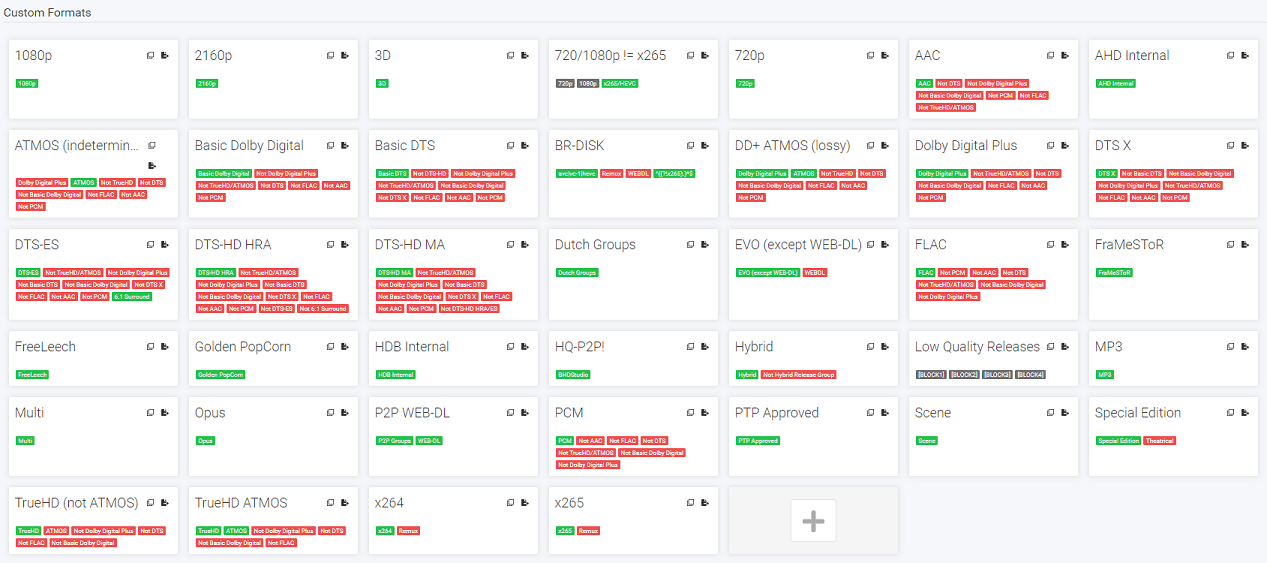
Custom Formats

Ensure you get the right release every time! Custom Formats allows fine control over release prioritization and selection. As simple as a single preferred word or as complex as you want with multiple criteria and regex.

Download

When finally arrived, it was too late. It was powerful, but it faced two impossible opponents: a free tool (DSS) and a superior one (PixInsight). The community had moved on. The unique niche CCDStack once owned was gone. Part 5: The Legacy Today, CCDStack is a ghost. The website (ccdware.com) still exists but feels like a museum. New astrophotographers often ask, "What is CCDStack?" and the veterans smile with a hint of nostalgia.

A new titan rose: . It was complex, scriptable, and offered not just calibration but world-class integration, deconvolution, and noise reduction. It had a steep learning curve, but its results were unparalleled. PixInsight's WeightedBatchPreprocessing script (WBPP) did everything CCDStack did, plus more.

Enter , a software developer and passionate astrophotographer. He saw the problem clearly: the community needed a tool designed from the ground up for the rigorous, mathematical demands of CCD image processing.

CCDStack was not a failure. It was a successful product that defined a market for over a decade. It was the quiet, competent tool that turned terrible, noisy, satellite-streaked data into a clean canvas. It was the backbone of countless award-winning astrophotos from 2005 to 2015.

During this era, if you looked at the "Processing" section of any top-tier astrophotography forum (like Cloudy Nights), you'd see the same phrase over and over: "Stacked in CCDStack, finished in Photoshop." It was the perfect bridge between raw telescope data and artistic processing. It wasn't flashy, but it was reliable . The story takes a dramatic, and for many, confusing turn. CCDStack was developed by a company called CCDWare . But a sibling software emerged: CCDSharp (for deconvolution) and then CCDInspector (for analyzing image train aberrations). The ecosystem grew.

This is the story of a piece of software that didn't seek the spotlight but became an indispensable step between raw data and a masterpiece. Before CCDStack, calibrating and stacking astronomical images was a fragmented, often frustrating process. Early adopters of CCD (Charge-Coupled Device) cameras would use one program to capture, another to apply dark frames and flat fields , a third to align (register) the images, and yet another to combine (stack) them. The process was prone to error, and most general-purpose imaging tools (like early Photoshop) lacked the 32-bit floating-point precision needed to preserve the delicate faint details.

Its decline wasn't due to a fatal flaw, but due to the natural evolution of a passionate hobby. It was out-featured and out-priced. But for those who used it, CCDStack will always be remembered as the precise, reliable, no-nonsense tool that helped them touch the stars.
Support