Hiphop Tamizha's "Kadaisi Ulaga Por" (The Last World War), released in 2024, transcends the typical action-packed sci-fi war movie genre. It embeds a...

Did you enjoy this deep dive? Subscribe to our newsletter for more retrospectives on classic South Asian cinema.
In the vast, glittering galaxy of Bengali cinema, there are films that are critically acclaimed, films that are box-office hits, and then there are films that transcend both categories to become a shared cultural dream. Beder Meye Josna (বেদের মেয়ে জোছনা), released in 1989, belongs to that rarefied third space.
But here is the truth: You cannot remake atmosphere . The 1989 version had a specific grain, a specific slowness to the editing, and a chemistry between Shabana and Ilias Kanchan that felt organic, not choreographed. Modern remakes are often too clean, too polished. The original Josna is beautiful because it is slightly rough around the edges—like the gypsy life it portrays. If you are a Bengali speaker, watching Beder Meye Josna is not optional; it is a rite of passage. If you are a non-Bengali (good subtitles exist on YouTube), you should watch it to understand how the subcontinent does folk tragedy.
It is a film that will break your heart, then stitch it back together with a melody. It reminds us that love is not about dowries or land deeds. Love is looking at someone across a moonlit river and seeing your entire future in their shadow.
For a generation of Bengalis—both in West Bengal and Bangladesh—the name "Josna" is not just a character. She is a feeling. She is the scent of wet earth after the first rain, the twang of a one-stringed ektara , and the defiant spark in the eyes of a river gypsy. Directed by the late (not to be confused with the modern Dhallywood star, but a prolific director of the era), this film didn't just tell a story; it etched itself into the marrow of rural and urban folklore.
Did you enjoy this deep dive? Subscribe to our newsletter for more retrospectives on classic South Asian cinema.
In the vast, glittering galaxy of Bengali cinema, there are films that are critically acclaimed, films that are box-office hits, and then there are films that transcend both categories to become a shared cultural dream. Beder Meye Josna (বেদের মেয়ে জোছনা), released in 1989, belongs to that rarefied third space.
But here is the truth: You cannot remake atmosphere . The 1989 version had a specific grain, a specific slowness to the editing, and a chemistry between Shabana and Ilias Kanchan that felt organic, not choreographed. Modern remakes are often too clean, too polished. The original Josna is beautiful because it is slightly rough around the edges—like the gypsy life it portrays. If you are a Bengali speaker, watching Beder Meye Josna is not optional; it is a rite of passage. If you are a non-Bengali (good subtitles exist on YouTube), you should watch it to understand how the subcontinent does folk tragedy.
It is a film that will break your heart, then stitch it back together with a melody. It reminds us that love is not about dowries or land deeds. Love is looking at someone across a moonlit river and seeing your entire future in their shadow.
For a generation of Bengalis—both in West Bengal and Bangladesh—the name "Josna" is not just a character. She is a feeling. She is the scent of wet earth after the first rain, the twang of a one-stringed ektara , and the defiant spark in the eyes of a river gypsy. Directed by the late (not to be confused with the modern Dhallywood star, but a prolific director of the era), this film didn't just tell a story; it etched itself into the marrow of rural and urban folklore.
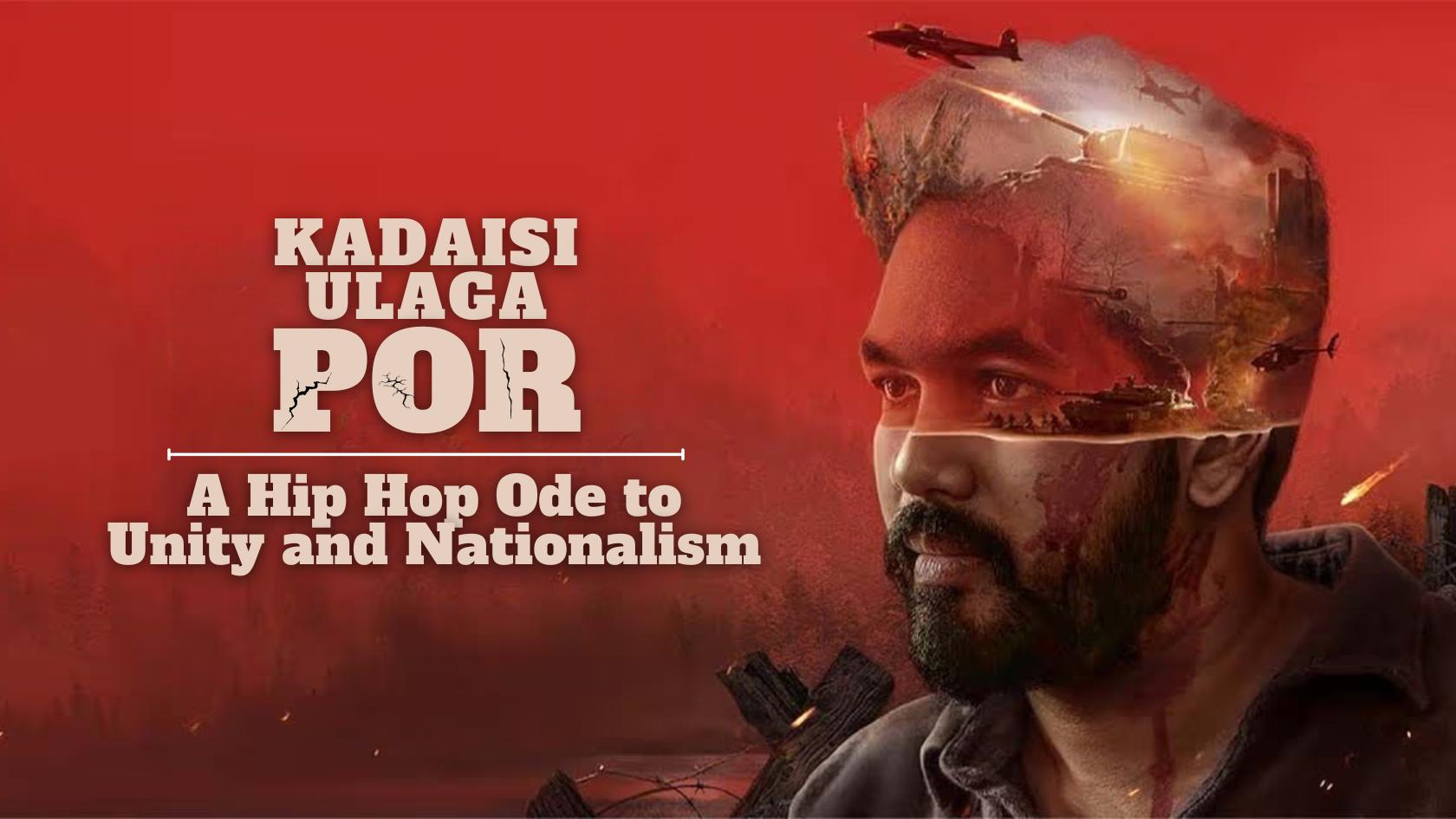
Hiphop Tamizha's "Kadaisi Ulaga Por" (The Last World War), released in 2024, transcends the typical action-packed sci-fi war movie genre. It embeds a...
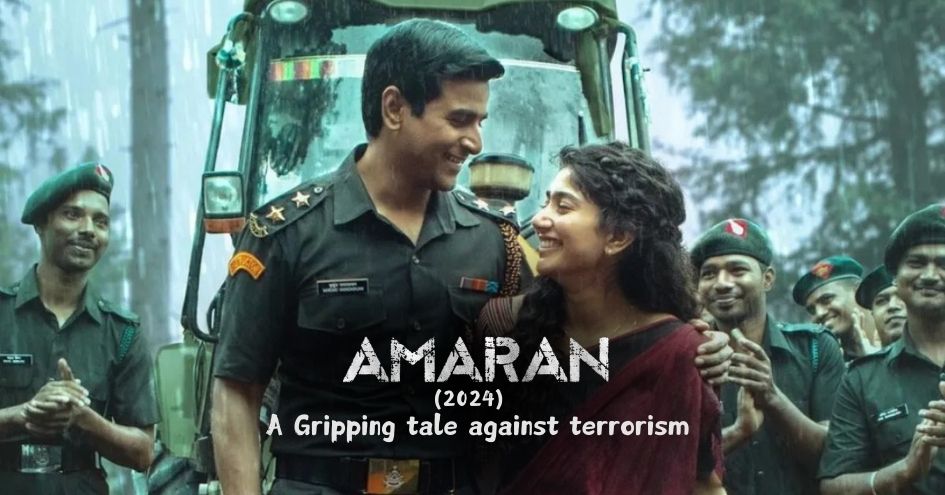
Creating war films is a challenging endeavor, and capturing the emotional struggles of soldiers and their families adds an even greater layer of com... beder meye josna movies
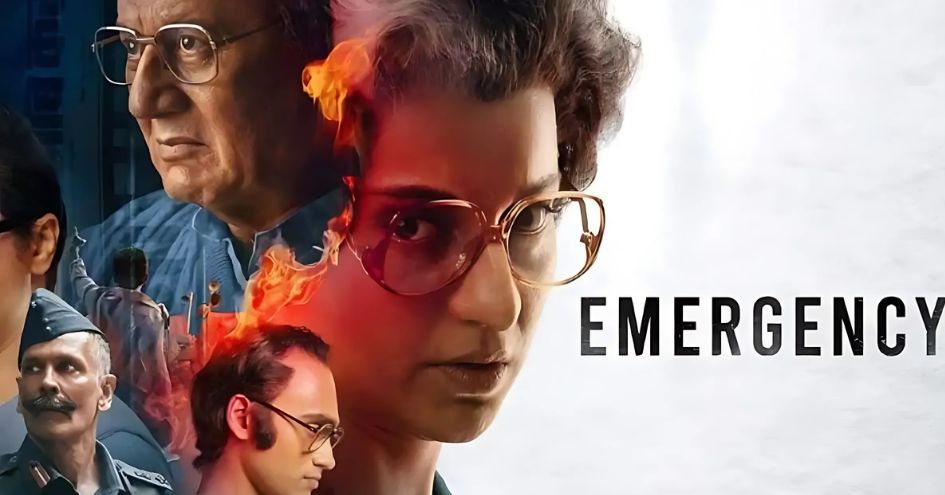
Emergency, directed by Kangana Ranaut, is a bold and gripping political drama that delves into one of Independent India’s darkest periods: the Emergen... Did you enjoy this deep dive